
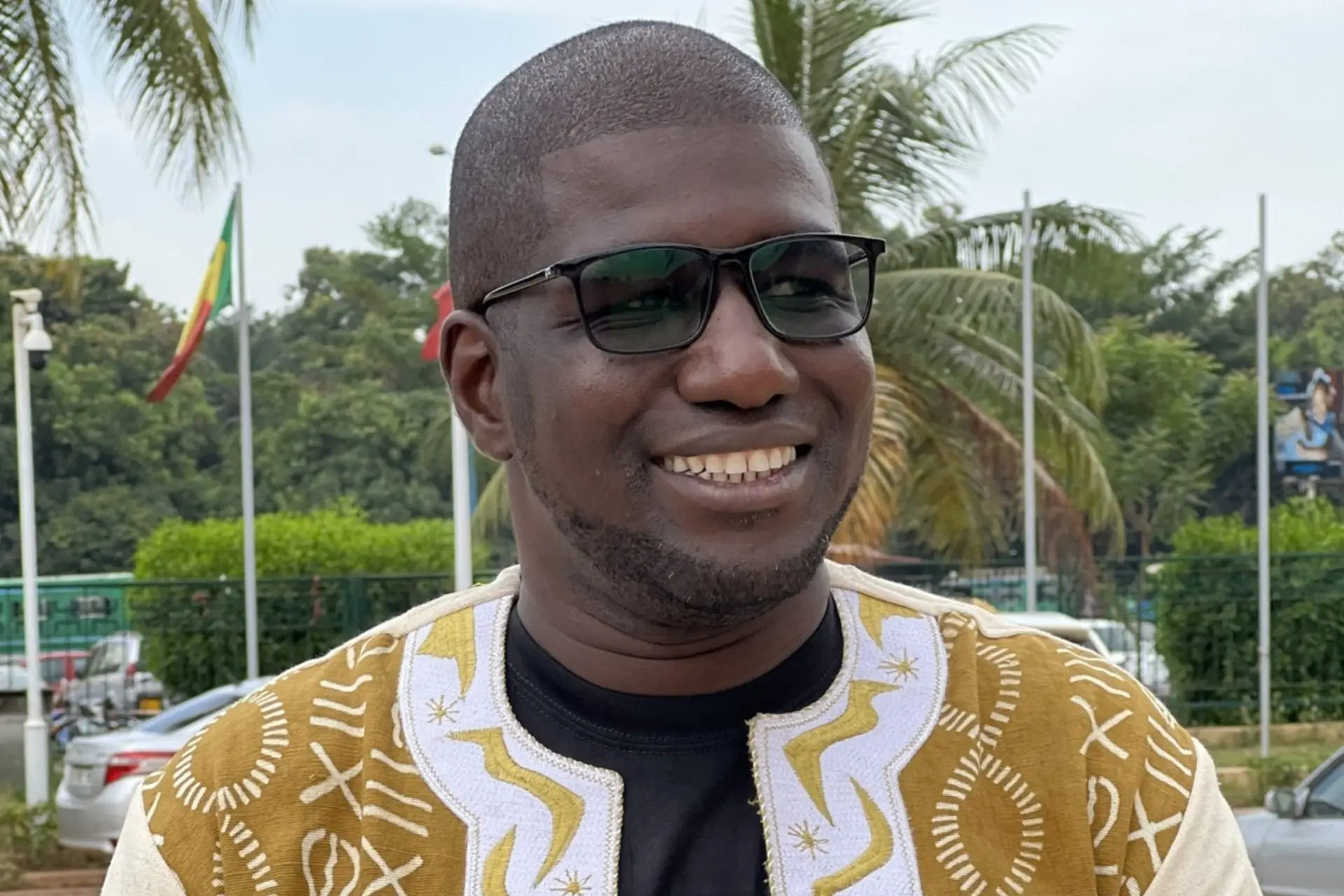
The phygital movement is gaining momentum in Africa, and Mali is rapidly establishing itself as one of the region’s most ambitious emerging ecosystems. Thanks to the efforts of the Association for the Promotion of Esports Culture (AMPCE), a WPC member in Mali, and its growing community of athletes, organizers, and creators, the country has transformed phygital sport from an innovative concept into a nationally recognized competitive platform. Over the past season, AMPCE has made significant progress, with clubs and athletes qualifying for the Phygital Contenders in Phygital Football, Phygital Basketball, and Phygital Dancing, in preparation for the 2026 Future Games in Astana. Mamadou Lamine Diarra, CEO of AMPCE, reflects on the development of phygital sports in Mali and the rapid progress made by the national ecosystem over the past season. Diarra and his team have worked tirelessly to establish a high-performing phygital structure in the country, a fact recognized by the recent WPC Incentive Program rankings, where AMPCE earned 281 points and achieved Gold Member status, highlighting the scope of activities and development accomplished over the past year. From grassroots tournaments and awareness programs to the creation of integrated national championships, AMPCE has laid a solid foundation for even greater success. In this interview, Mamadou Lamine Diarra discusses the initial reception of phygital sports in Mali, the challenges encountered in building this ecosystem, the role of social media in increasing its visibility, and the ambition to make Mali a regional hub for phygital sports. When you launched your first event, how was phygital sport received in Mali, and what opportunities did you see for its local development? Phygital sport immediately sparked enthusiasm among Malian youth. From the very first competitions organized by AMPCE, we understood that it represented a fantastic opportunity to combine sport, digital innovation, and creative industries, while opening up new career paths for young people. What were the biggest challenges you faced? Our main challenges were the lack of suitable infrastructure, limited access to equipment, funding constraints, and administrative difficulties related to digital platforms. Despite these obstacles, the commitment of young people and AMPCE’s determination allowed us to move forward. What specific initiatives or activities did you implement to attract new athletes and involve your local community? AMPCE initially organized local esports championships in neighborhoods, municipalities, and universities to identify top players and begin recruiting athletes before new formats emerged. We also wanted to attract a wider audience beyond the esports scene. We then launched the Phygital Origins and Phygital Rivals competitions, training sessions, social media campaigns, and outreach programs in schools and universities to identify and develop a new generation of phygital athletes. Could you share an idea, format, or approach developed by your team that you are particularly proud of? We are especially proud of having integrated phygital football, phygital basketball, and phygital dance into a single national framework, creating an inclusive platform where sport, culture, and technology converge. How do you envision the future of phygital in Mali and its contribution to the broader phygital movement? We aim to become a regional phygital hub in West Africa by contributing to talent development, organizing international competitions, and promoting phygital as a cultural, sporting, and creative industry. Our ambition is also to create an integrated training center where digital and physical preparation can take place in the same location, making athlete development more efficient. Your teams are currently preparing for Phygital Contenders, with qualification for the 2026 Games of the Future in Astana at stake. What does this moment represent for your phygital community and for the athletes who have worked throughout the season to achieve this goal? It’s a historic moment. It symbolizes the recognition of the hard work put in by our athletes and gives an entire generation the hope of competing on the world’s biggest phygital stage and making their community proud. With the Contenders approaching, what message would you like to send to your athletes before their participation in the international competition, and how optimistic are you about the future of phygital sport in Mali? I encourage them to believe in their potential, to remain disciplined, and to show the world that we can excel. I am very optimistic because we are witnessing the birth of a movement capable of creating lasting opportunities for our youth. What role have social media and media coverage played in raising awareness of phygital sport in Mali, and what approach have you taken to draw attention to this movement? Social media has been essential. It has allowed us to document every step, share our competitions, showcase our athletes, and build an engaged community around hybrid (phygital) sports. With nearly 45,000 followers on TikTok and over 10,000 on Facebook, we already have a large audience in Mali and internationally. Furthermore, our network of over 70 print media outlets regularly disseminates our publications and press releases, significantly increasing the visibility of the phygital movement in Mali. Mali’s rapid development reflects the broader expansion of phygital sport in emerging markets, where local organizations continue to establish competitive structures, engage new audiences, and create opportunities for athletes to participate in international competitions.
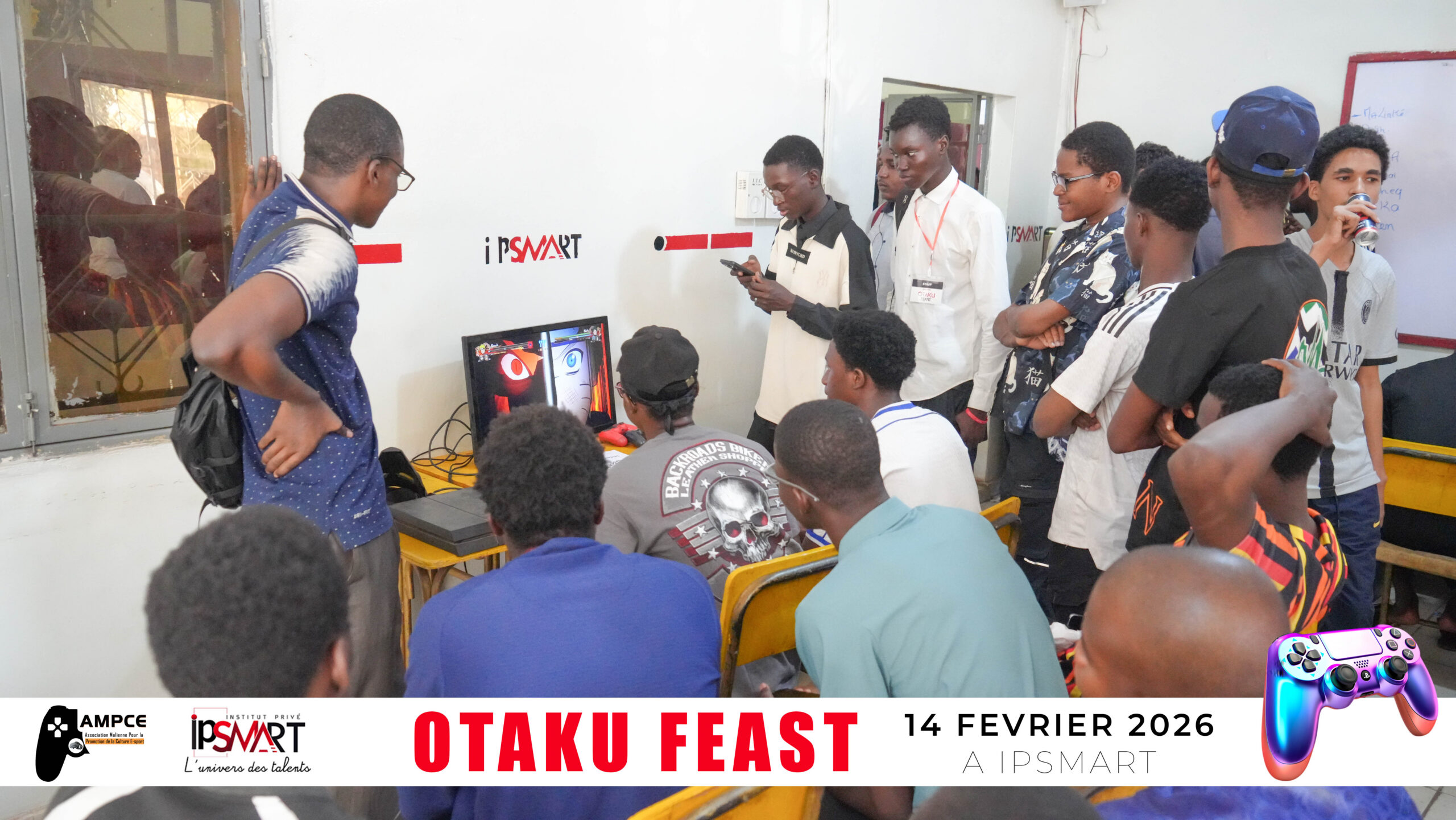
OTAKU FEAST à IPSMART : l’AMPCE au cœur de la structuration de l’eSport événementiel au Mali
As part of OTAKU FEAST, a cultural event organized by IPSMART and dedicated to promoting Japanese culture, anime, and gaming, the Malian Association for the Promotion of Esports Culture (AMPCE) once again confirmed its central role in structuring and professionalizing esports in Mali. Invited to support the gaming component of the event, AMPCE handled the technical and logistical organization of the esports tournaments, from setting up equipment to coordinating the competitions. This contribution ensured a smooth, fair, and competitive experience for participants and spectators, within a framework that was both cultural and entertaining. Beyond simply organizing tournaments, AMPCE’s presence at OTAKU FEAST is part of a broader initiative: to showcase local talent, popularize competitive video gaming, and raise public awareness of esports as a legitimate discipline. The competitions revealed numerous young talents in an atmosphere marked by emotion, passion, and fair play. For several years, AMPCE has supported these types of hybrid events that blend culture, entertainment, and digital innovation. By working within educational, cultural, and artistic settings, the association helps bring esports closer to the general public, while demonstrating that it can be a tool for expression, social cohesion, and opportunities for young people. As part of OTAKU FEAST, a cultural event organized by IPSMART and dedicated to promoting Japanese culture, anime, and gaming, the Malian Association for the Promotion of Esports Culture (AMPCE) once again confirmed its central role in structuring and professionalizing esports in Mali. Invited to support the gaming component of the event, AMPCE handled the technical and logistical organization of the esports tournaments, from setting up equipment to coordinating the competitions. This contribution ensured a smooth, fair, and competitive experience for participants and spectators, within a framework that was both cultural and entertaining. Beyond simply organizing tournaments, AMPCE’s presence at OTAKU FEAST is part of a broader initiative: to showcase local talent, popularize competitive video gaming, and raise public awareness of esports as a legitimate discipline. The competitions revealed numerous young talents in an atmosphere marked by emotion, passion, and fair play. For several years, AMPCE has supported these types of hybrid events that blend culture, entertainment, and digital innovation. By working within educational, cultural, and artistic settings, the association helps bring esports closer to the general public, while demonstrating that it can be a tool for expression, social cohesion, and opportunities for young people. OTAKU FEAST perfectly illustrates this vision: a space where Japanese culture, anime, and gaming converge, and where esports becomes a vehicle for discovery, learning, and professional development. AMPCE intends to continue this momentum by expanding its partnerships with schools, cultural organizers, and institutions to build a structured, inclusive, and sustainable esports ecosystem in Mali.
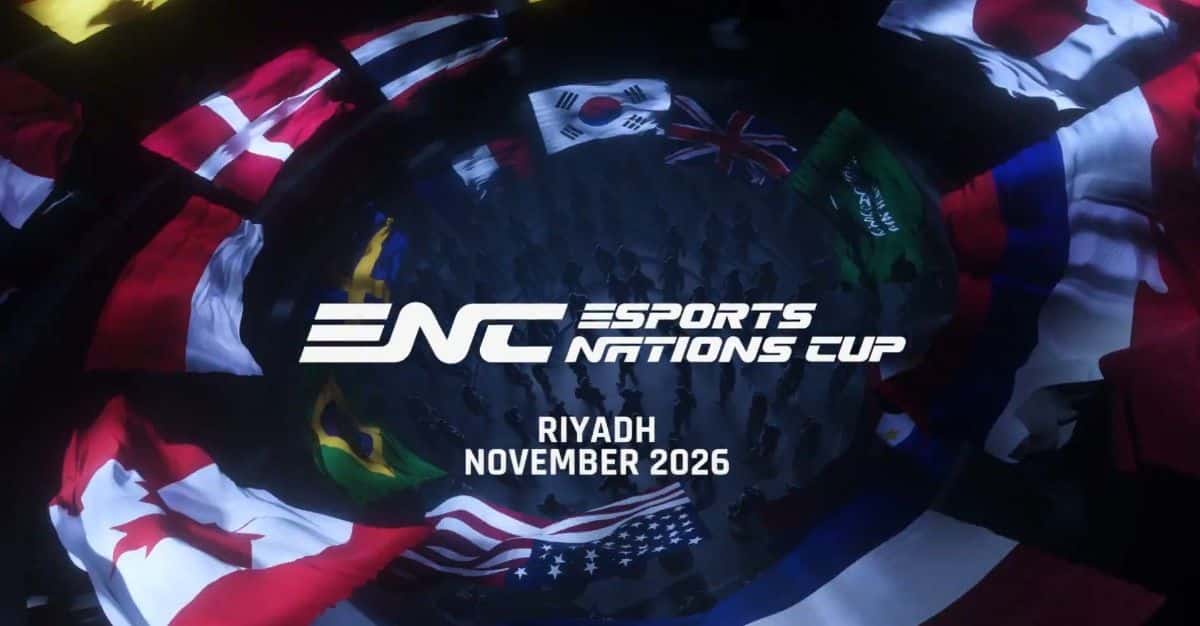
Le Mali en piste pour l’Esports Nations Cup
L’Esports World Cup Foundation (EWCF) a officiellement annoncé la création de l’Esports Nations Cup (ENC), une compétition mondiale bisannuelle de grande envergure où des équipes nationales s’affronteront pour défendre les couleurs de leurs pays dans les principaux jeux vidéo compétitifs. Prévue pour sa première édition en novembre 2026 à Riyad (Arabie Saoudite), cette initiative inédite marque une étape historique dans le développement de l’esport sur la scène internationale. Contrairement aux tournois traditionnels qui opposent des clubs ou des organisations privées, l’Esports Nations Cup met l’accent sur la fierté nationale, donnant ainsi aux joueurs du monde entier l’opportunité de concourir sous leurs drapeaux. L’événement rassemblera des équipes issues de toutes les grandes régions du globe y compris l’Afrique dans des formats de compétition à la fois individuels et par équipe. Les qualifications combineront des classements mondiaux, des tournois régionaux et d’autres voies d’accès pour assurer une représentation équilibrée et inclusive. AMPCE : le Mali entre dans la course internationale L’Association Malienne pour la Promotion de la Culture Esport (AMPCE) a annoncé qu’elle est désormais engagée dans un processus structuré pour assurer la participation du Mali à l’Esports Nations Cup 2026. Cette démarche comprend le recrutement de joueurs maliens de haut niveau, la mise en place de sélections nationales par discipline, ainsi que la collaboration avec les acteurs publics et privés afin de répondre aux critères d’enregistrement auprès de l’organisateur. Selon les responsables de l’AMPCE, cette initiative constitue une opportunité historique pour le Mali de se positionner sur la scène esport mondiale, de valoriser les talents locaux et d’inspirer toute une génération de jeunes passionnés par les jeux vidéo compétitifs. Un tremplin pour l’esport malien Au-delà de la compétition, l’Esports Nations Cup est également perçue comme un moteur de développement pour les écosystèmes nationaux de l’esport : création de structures professionnelles, amplification des formations, et structuration de programmes locaux intégrés. L’AMPCE entend saisir cette chance pour renforcer l’organisation de l’esport au Mali, encourager l’émergence de talents et renforcer les échanges internationaux dans ce domaine. Avec l’ouverture des candidatures aux partenaires nationaux par l’EWCF, le Mali se prépare à envoyer ses premières équipes nationales sur l’une des scènes les plus prestigieuses de l’esport international.

ESPORT WOMEN’S CAMP
🧠 DEPASSER LA LIMITE DE LA STIGMATISATION Le Esport Women’s Camp est un programme innovant visant à promouvoir la participation des femmes dans le secteur des jeux vidéo, un domaine en plein essor mais encore largement dominé par les hommes. Ce projet offre une opportunité unique de formation intensive pour développer les compétences techniques et stratégiques des participantes, tout en favorisant leur émergence sur la scène compétitive internationale. Ancré à Bamako, le camp rassemble des jeunes femmes du Mali, du Burkina Faso, et du Niger autour de sessions pratiques, de masterclasses animées par des expertes de l’industrie, et de visites dans des infrastructures professionnelles.
 French
  English